The primary types of fades include skin, taper, and burst fades, which vary based on their blending style and where the hair is shortest. Skin fades shave down to the scalp for a sharp look, whereas taper fades offer a more subtle transition at the hairline. Burst fades are distinguished by their semi-circular shape that curves specifically around the ear.
Walking into a barbershop and asking for a simple fade often leads to a result that misses the mark, leaving you with a silhouette that does not quite suit your personal style. This common frustration stems from the sheer variety of techniques available today; a generic request rarely captures the nuance of a truly bespoke cut. At Excellent Cut Barbershop, we understand that a precision blend is the cornerstone of sophisticated grooming, acting as the silent signal of a man who values excellence. In this guide, we will break down the structural differences between skin, taper, and burst fades. We will also examine how placement, whether low, mid, or high, dictates the overall impact of your look. By the end, you will have the vocabulary and technical knowledge needed to communicate effectively with your barber during your next Mission Valley appointment.
Understanding the Foundation: What Defines a Fade Haircut?
At its core, a fade is a masterclass in gradient. It involves transitioning the hair from a longer length on top to a significantly shorter length as it moves toward the neck and ears. While a traditional short back and sides might feature a uniform length throughout the lower half of the head, a fade is defined by its seamless blur. There are no harsh lines or visible steps. Instead, the hair appears to evaporate into the skin or a shorter shadow.
For residents in Mission Valley seeking a sharp, modern appearance, the nuances between different types of fades are critical. A slight adjustment in where the transition begins can be the difference between a conservative office look and a bold, high-contrast style. This level of precision is why understanding the mechanics of the cut is so important for those who value a tailored aesthetic.
Excellent Cut Barbershop serves as the neighborhood authority on these technical transitions. Our barbers recognize that achieving a signature haircut requires more than just standard clippers. It demands an expert understanding of hair density, growth patterns, and head geometry to ensure every blend is smooth and perfectly suited to the individual's features. This foundation of craftsmanship ensures that every client leaves with a look that is both sophisticated and current.
The Skin Fade: The Ultimate High Contrast Look
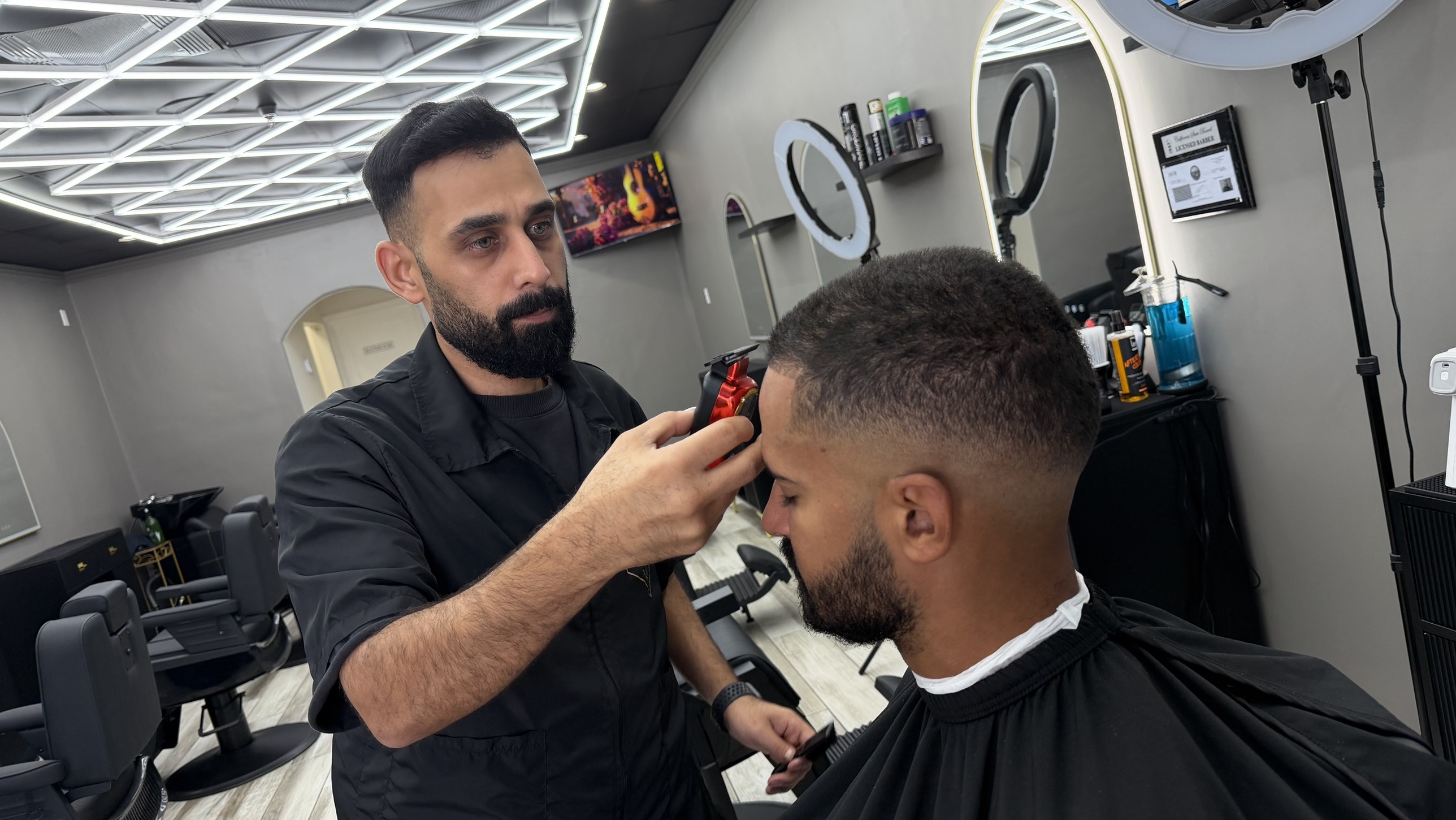
Achieving the perfect gradient often leads clients to request a skin fade, frequently referred to as a bald fade. This specific style represents the pinnacle of contrast. Unlike other types of fades that might leave a fine layer of stubble at the base, a skin fade tapers the hair entirely down to the scalp. At the lowest point of the cut, no hair remains, creating a stark, clean perimeter that defines the wearer's silhouette.
In the San Diego climate, this style is particularly favored for its heat friendly aesthetic. It provides a cooling effect that is practical for Mission Valley's sunny days while maintaining a crisp, professional edge. The placement of the transition dictates the overall impact:
Fade Placement | Starting Point | Visual Impact |
|---|---|---|
Low Skin Fade | Just above the ears and nape | Subtle, clean, and conservative |
Mid Skin Fade | Temple or brow level | Balanced contrast and versatile |
High Skin Fade | Near the crown | Bold, high-contrast, and edgy |
Executing a precision skin fade is a technical challenge that separates standard shops from luxury studios. It requires a combination of high end clippers, foil shavers, and occasionally a straight razor to ensure the transition is invisible. At Excellent Cut Barbershop, we utilize elite craftsmanship to ensure there are no dark spots or visible lines. This level of detail provides a finish that is as smooth to the touch as it is sharp to the eye, ensuring the look remains fresh long after leaving the chair.
The Taper Fade: A Softer and More Versatile Blend
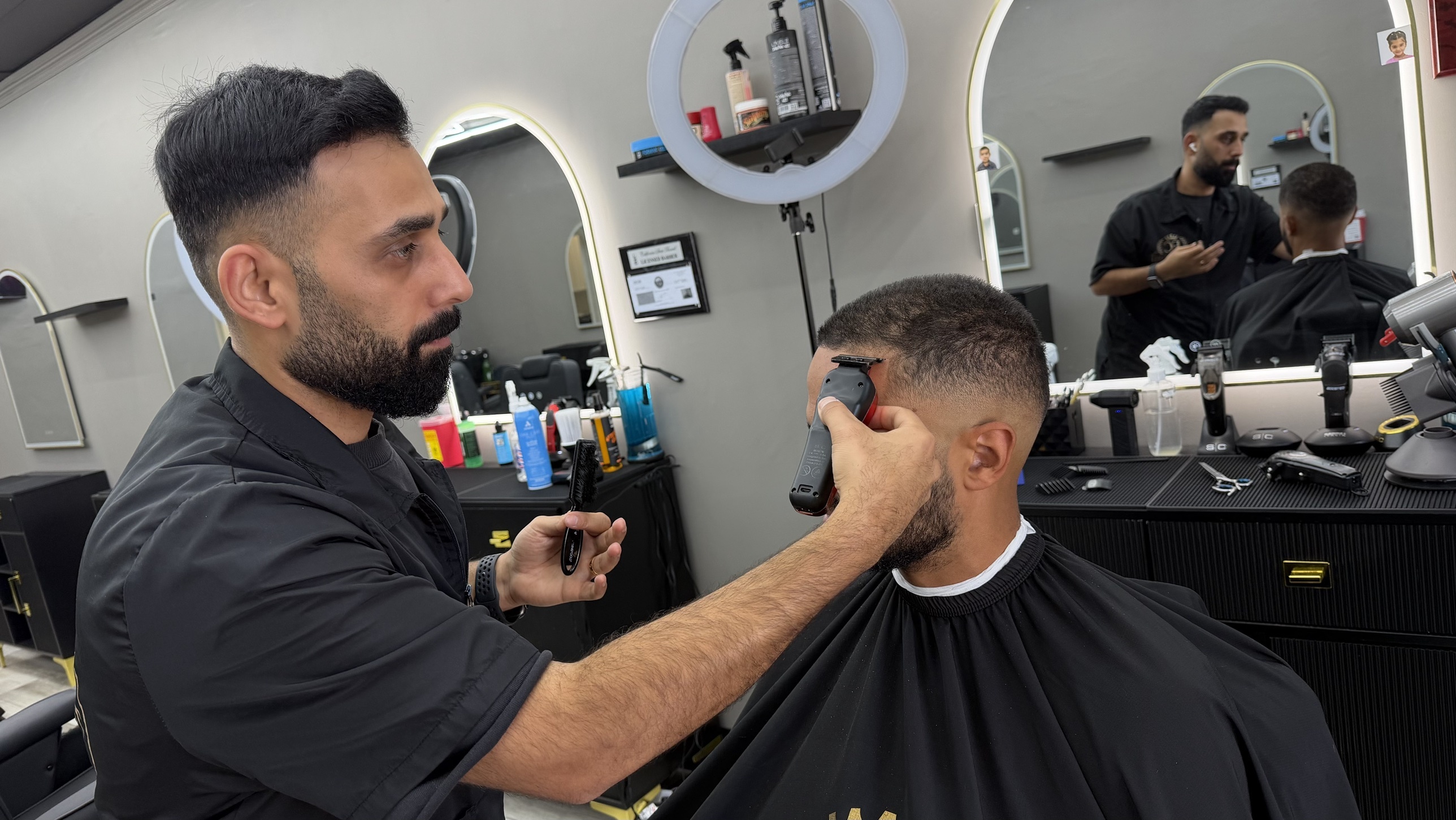
While the skin fade offers maximum impact, many clients require a more understated transition. A common question our barbers receive is, "Does a taper have to go to skin?" The short answer is no. Unlike the bald fade, which clears all hair from the perimeter, a taper typically leaves a very short, clean shadow. This technique preserves more of the natural hairline, focusing the blend specifically on the sideburns and the nape of the neck.
The primary distinction lies in the surface area of the blend. While most types of fades wrap entirely around the head, a taper is localized. This leaves the hair around the ears at a consistent length, resulting in a silhouette that is conservative yet polished. This subtlety makes the classic taper fade a preferred choice for the Mission Valley professional. It provides the cleanliness of a fresh cut without the aggressive exposure of a high skin fade, making it ideal for the boardroom or a high end dinner on Friars Road.
Feature | Taper Fade | Skin Fade |
|---|---|---|
Hairline | Blended at temples and nape | Removed entirely around the base |
Contrast | Low to medium (shadow) | High (scalp exposure) |
Maintenance | Low (grows out naturally) | High (requires frequent touch-ups) |
Ear Perimeter | Hair remains around the arch | Hair is faded out around the arch |
A low taper fade is particularly effective for those who want to maintain weight on the sides while cleaning up the edges. It offers a versatility that adapts to different hair textures, from straight to tightly coiled, ensuring the finished look is tailored to the client's specific professional environment.
The Burst Fade: A Bold and Creative Choice
Transitioning from the subtle taper into more expressive territory, the burst fade offers a distinct, rounded aesthetic. This technique involves creating a semi-circular blend that curves specifically around the ear, leaving the hair at the back of the neck at its original length. While a classic taper fade targets the sideburns and nape, a burst fade radiates outward, creating a "burst" effect that isolates the ear.
Clients often ask if burst fades look good on everyone. The answer lies in the barber's ability to customize the radius of the curve to the client's anatomy. This style is exceptionally flattering for those with textured or coiled hair, as the tight blend around the ear emphasizes the natural volume above. For individuals with rounder head shapes, the preserved length at the nape provides a structured silhouette that a standard precision skin fade might remove.
Feature | Burst Fade | Drop Fade |
|---|---|---|
Nape Area | Length is preserved | Faded down to the neckline |
Shape | Circular curve around the ear | Sloping line toward the back |
Visual Focus | The ear and side profile | The overall gradient of the head |
In San Diego, the burst fade mullet has emerged as a high fashion staple. It combines the edgy, modern transition of a signature haircut with a classic profile that thrives in a coastal environment. This choice reflects a bold personal style, requiring a steady hand to ensure the circular transition is symmetrical and seamless across different hair densities.
Placement Matters: Low vs Mid vs High Fades
The specific starting point of a blend, often referred to as the drop, determines the visual weight and silhouette of the hair. While the choice between different types of fades often comes down to personal preference, the placement of the transition should be dictated by bone structure and head shape to ensure the most flattering result.
A low fade begins just above the ears and follows the natural curvature of the nape. This placement offers a subtle cleanup, making it the preferred choice for clients with heart shaped or diamond faces, as it avoids adding unnecessary width to the temple area. It provides a clean finish that remains professional and understated, often paired with a classic taper fade for a polished look.
The mid fade starts at the temple or brow level. This is a common standard because it offers a balanced aesthetic, providing enough contrast to be noticeable without being aggressive. It acts as a versatile middle ground that suits almost every hair texture and serves as a reliable baseline for most modern styles.
For maximum contrast, the high fade begins near the crown. By removing the bulk from the sides of the head, a high fade creates a vertical emphasis. This is particularly effective for rounder face shapes, as it elongates the profile and adds height to the overall silhouette. When executing a precision skin fade at this height, the result is a bold, sharp look that highlights the craftsmanship of a signature haircut. Our barbers tailor these heights to match your unique anatomy, ensuring the transition complements your natural features.
How to Talk to Your Barber: What to Ask for at Your Next Appointment
Communicating with your barber requires specific terminology to bridge the gap between a mental image and the finished result. When you sit in the chair, providing three key pieces of information allows for a truly tailored experience.
The Starting Point: Define if you want a low, mid, or high fade. This dictates the vertical placement of the transition.
The Bottom Length: Specify how short the hair should be at its lowest point. Ask for a precision skin fade if you want the hair tapered to the scalp, or a "shadow" for a classic taper fade that retains a fine layer of hair.
Top Integration: Explain how the top should be styled, whether you prefer a textured crop or a slicked-back look, to ensure the blend is balanced.
At Excellent Cut Barbershop, every signature haircut begins with a detailed consultation. We examine your hair’s natural growth patterns to ensure the line-up and transition match your specific anatomy. This level of precision, often paired with a razor-sharp beard trim, ensures all types of fades look intentional, sharp, and sophisticated.
Elevating the Experience: Fades and Luxury Grooming in Mission Valley
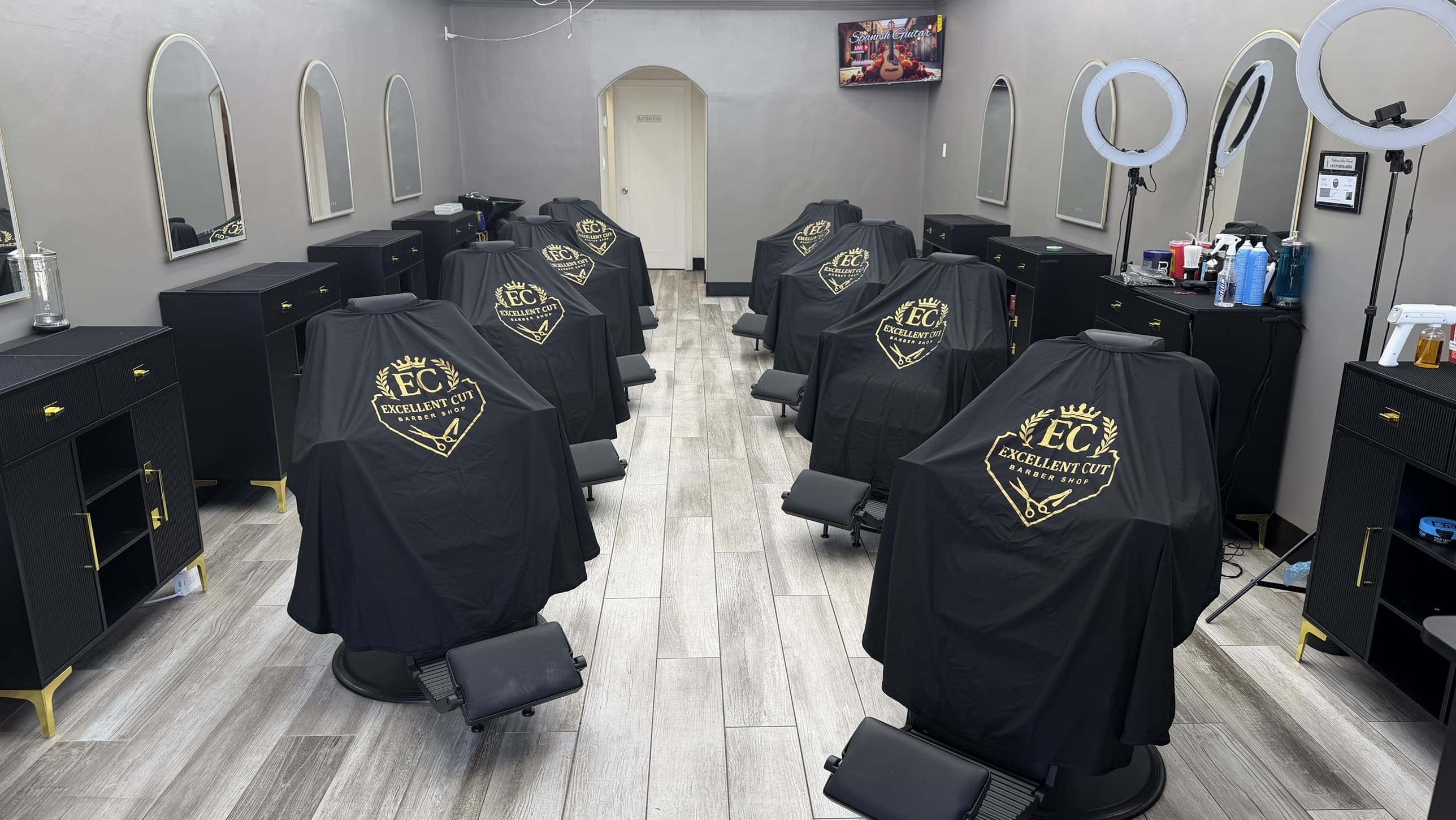
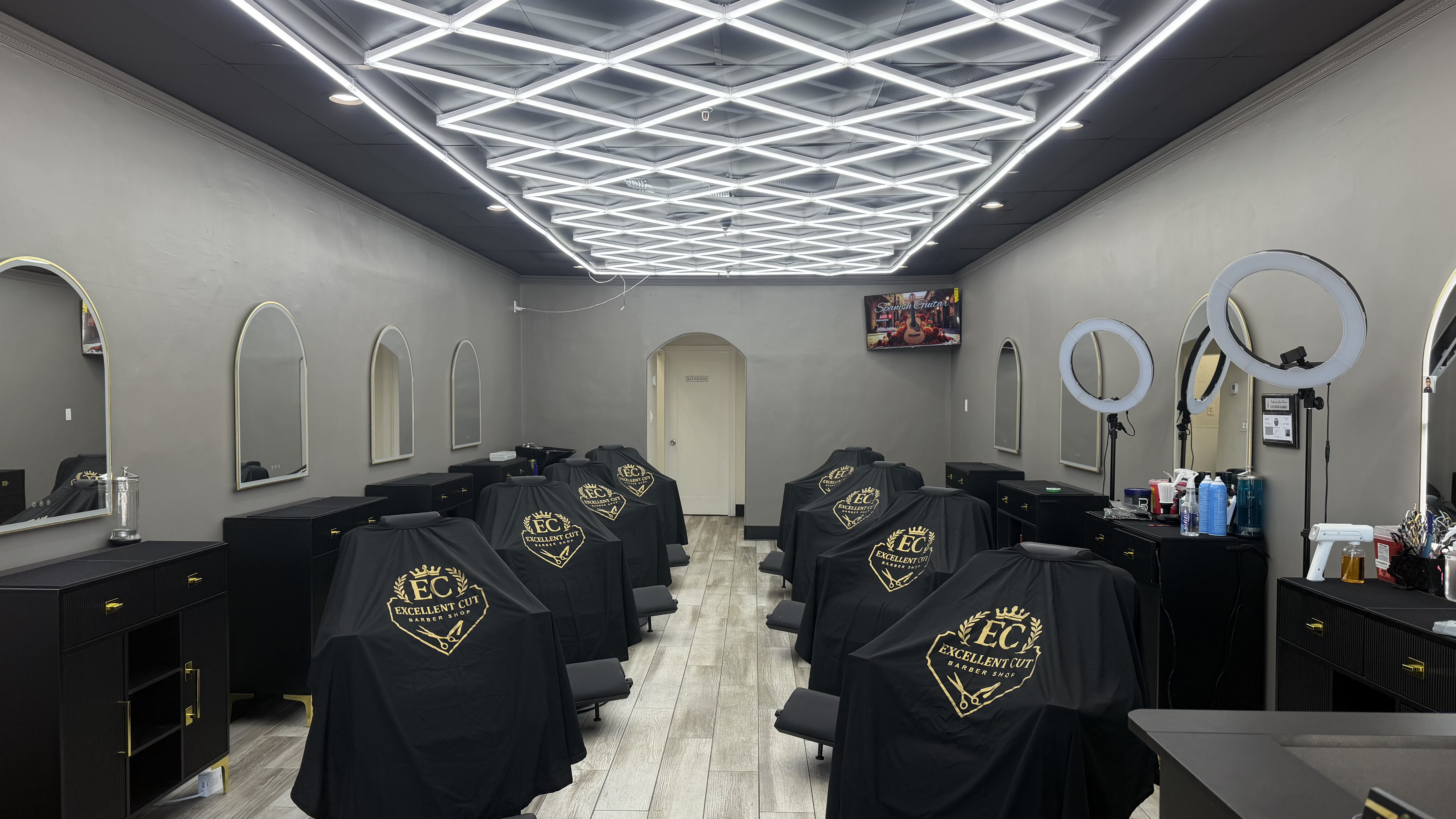
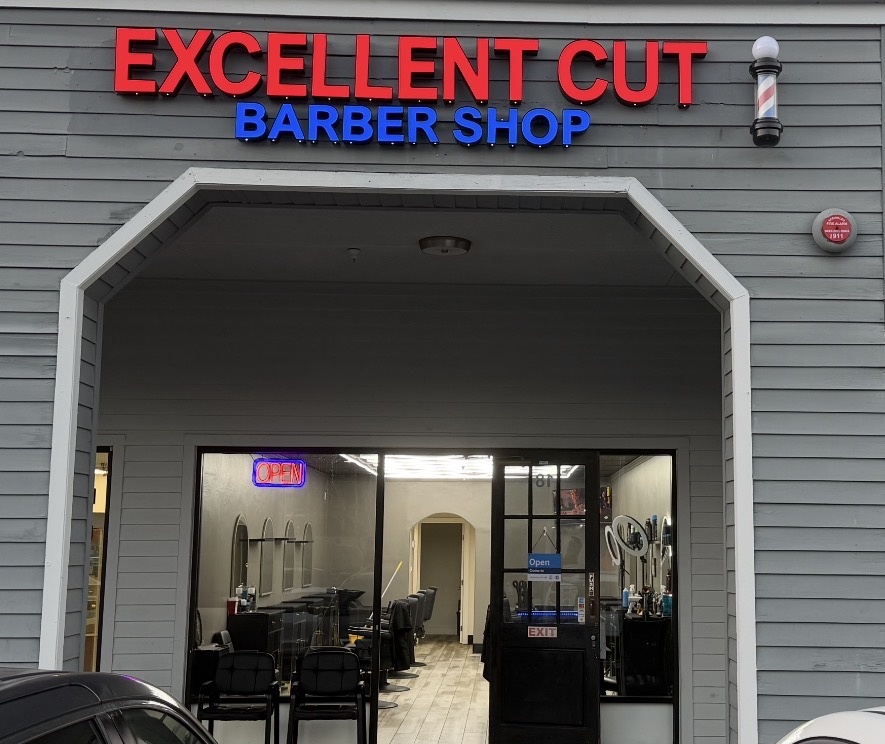
Technical mastery remains the priority, yet the environment in which the service occurs defines the quality of the visit. At Excellent Cut Barbershop, a signature haircut is treated as a foundational element of a larger grooming ritual. Our Mission Valley studio provides a sophisticated space where various types of fades are executed with intentionality and focus.
The impact of a precision skin fade is significantly heightened when integrated with secondary services. For instance, a razor-sharp beard trim ensures that the facial hair density complements the gradient of the fade, creating a cohesive silhouette from the temple to the jawline. We incorporate steam-infused hot towel treatments to soothe the skin after a close shave, adding a layer of luxury that retail clippers cannot replicate. By positioning craftsmanship within a welcoming, multi-station environment, we offer more than a standard appointment; we provide a community hub for those who view personal grooming as an essential investment in their personal style.
Finding the right cut involves balancing your personal style with your daily routine and face shape. Whether you are leaning toward a subtle taper or a sharp Skin Fade, understanding these differences helps you communicate better with your barber. If you want expert help selecting the perfect look for your hair type, our professionals are ready to assist. A great haircut is a collaboration; we are here to ensure you walk out feeling confident with a precise finish that suits your lifestyle perfectly.